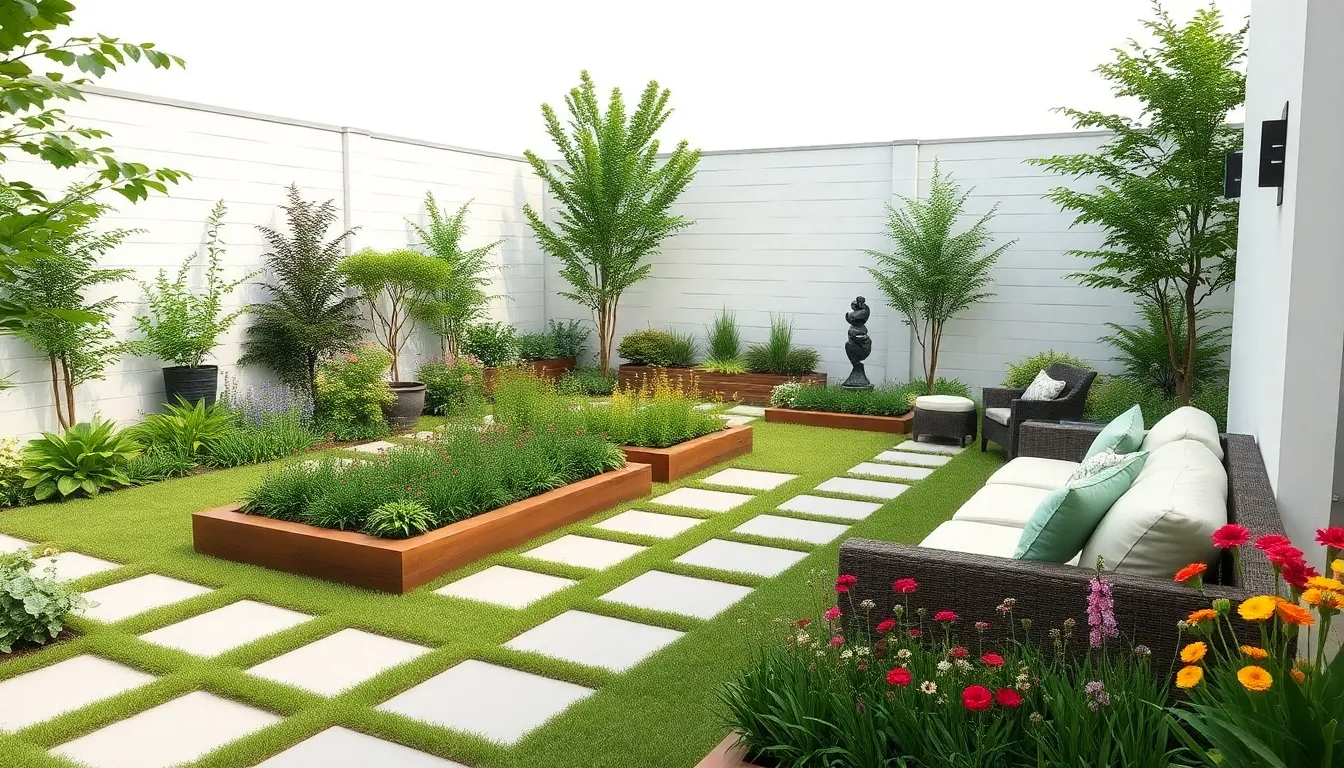

Imagine stepping into a garden that feels like a breath of fresh air, where sleek lines meet vibrant colors and nature dances with design. Modern garden design isn’t just about planting a few flowers and calling it a day. It’s about creating a stunning outdoor space that reflects personality and lifestyle while offering a peaceful retreat from the chaos of daily life.
Overview Of Modern Garden Design
Modern garden design integrates functionality with visual appeal, transforming outdoor spaces into extensions of home life. Key principles emphasize minimalism, clean lines, and a focus on the natural environment. Designers incorporate sustainable practices, ensuring that gardens support local ecosystems while minimizing resource use.
Color palettes in modern gardens often consist of neutral tones, accented by vibrant blooms. Plant selection prioritizes native and drought-resistant species, fostering health and resilience in garden ecosystems. Features such as stone pathways and raised beds contribute to a structured layout, inviting exploration and relaxation.
Water elements, including fountains and ponds, enhance the sensory experience, creating calming atmospheres. Furniture selections focus on comfort and durability, often using materials like teak or metal. Artful placement of seating encourages social interaction and enjoyment of the surrounding landscape.
Innovative technology, such as smart irrigation systems, aligns with modern lifestyles. Outdoor lighting designs incorporate energy-efficient LED fixtures, illuminating gardens in creative ways. Many designers highlight the importance of sustainability by utilizing recycled materials for structures and decor.
Functional spaces, such as vegetable plots or outdoor kitchens, reflect a growing interest in self-sufficiency. Ultimately, modern garden design offers a harmonious blend of beauty and utility, catering to individual tastes while promoting eco-friendliness. Each garden tells a unique story, showcasing personal expression and thoughtful planning.
Key Elements Of Modern Garden Design
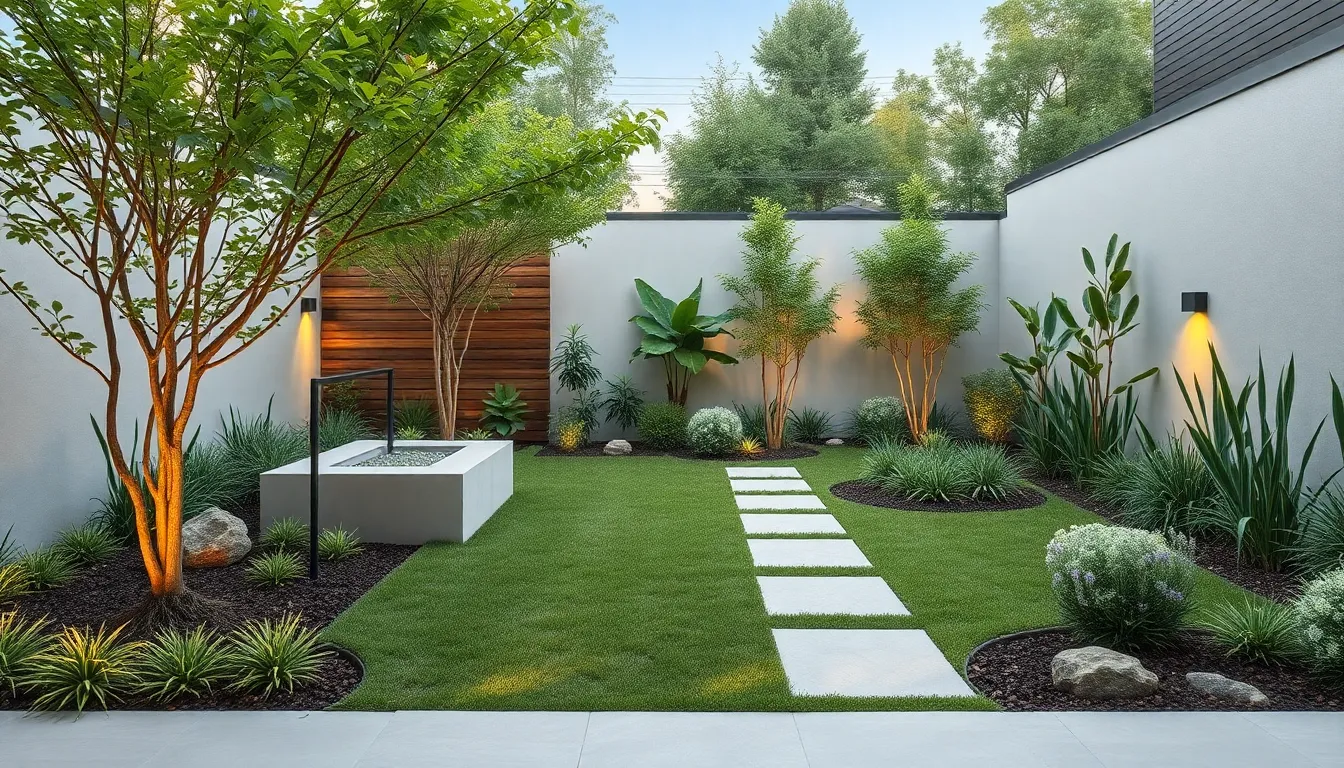
Modern garden design emphasizes minimalism and functional beauty, prioritizing both aesthetics and personal expression. Key elements highlight simplicity, natural materials, and technology integration.
Minimalism And Simplicity
Minimalism features clean lines and uncluttered spaces. Simple plant selections emphasize fewer, more impactful varieties. This approach often results in easier maintenance and a tranquil atmosphere. Open areas, coupled with structured layouts, create visual harmony, inviting relaxation. Emphasis on negative space enhances overall design clarity. Achieving balance becomes essential in the arrangement of plants and accessories, ensuring that elements complement rather than compete.
Use Of Natural Materials
Natural materials play a vital role in modern garden design. Stone, wood, and metals bring an organic feel to outdoor spaces. These materials connect the garden with its surrounding environment, fostering harmony. For instance, locally sourced stone pathways enhance eco-friendliness while providing durability. Incorporating wooden elements, such as raised beds or benches, adds warmth and inviting textures. These natural features also support sustainability, appealing to environmentally conscious designers and homeowners alike.
Integration Of Technology
Technology integration transforms modern gardens into efficient outdoor spaces. Smart irrigation systems conserve water by adjusting based on weather conditions. Energy-efficient lighting enhances ambiance while reducing energy consumption. Homeowners benefit from automated features, simplifying garden maintenance. The incorporation of sensors for soil moisture supports optimal plant health. These advancements create a seamless blend of convenience and sustainability, aligning with contemporary lifestyles.
Popular Styles In Modern Garden Design
Modern garden design features diverse styles that cater to various aesthetics and functions. Each style offers unique elements that enhance outdoor spaces.
Zen Gardens
Zen gardens emphasize tranquility and mindfulness. These minimalist designs often include gravel, rocks, and carefully placed plants. Raked gravel symbolizes rippling water and enhances the sense of peace. Bamboo structures or stone lanterns may serve as focal points. Native plants like moss or small trees typically create a serene atmosphere. Low-maintenance designs align with modern lifestyles while promoting a connection to nature. The use of negative space contributes to overall serenity, inviting reflection and relaxation.
Contemporary Urban Gardens
Contemporary urban gardens utilize small spaces efficiently. Vertical gardens make the most of limited square footage, featuring wall-mounted planters or trellises. Incorporating hardscaping elements, like patios and pathways, ensures functionality alongside beauty. Urban designs often cater to sustainability, with native or drought-tolerant plants reducing water usage. Potted plants enhance flexibility, allowing for seasonal changes. Comfortable seating areas encourage social interactions while blending seamlessly with the surrounding environment. These settings create inviting retreats within bustling cityscapes.
Sustainable Practices In Modern Garden Design
Sustainable practices form a cornerstone of modern garden design. These methods not only promote environmental health but also enhance the beauty and functionality of outdoor spaces.
Native Plant Selection
Native plants offer numerous advantages in modern garden design. They require less water and maintenance compared to non-native species. Additionally, these plants support local wildlife, including birds and pollinators. Incorporating species native to the region reduces the risk of invasive plant growth. Local suppliers provide guidance on suitable plant choices, ensuring a harmonious relationship between the garden and surrounding ecosystems. Opting for native plants contributes to the garden’s resilience, adapting naturally to local climate and soil conditions.
Water Conservation Techniques
Utilizing water conservation techniques significantly improves garden sustainability. Drip irrigation systems deliver water directly to the roots, minimizing waste while fostering healthy plant growth. Collecting rainwater through barrels provides an eco-friendly alternative for irrigation. Mulching around plants retains moisture, reducing the frequency of watering. Implementing time-sensitive irrigation schedules ensures efficient water use during peak demand periods. These techniques collectively lower water usage and support responsible gardening practices while enhancing the overall health of the garden.
Conclusion
Modern garden design represents a significant evolution in how outdoor spaces are perceived and utilized. By blending beauty with functionality it creates environments that are not only visually appealing but also sustainable and practical. The emphasis on minimalism and native plant selection fosters a connection with nature while promoting ecological health.
As more people seek to transform their gardens into personal retreats the principles of modern design will continue to inspire innovative approaches. This movement encourages gardeners to explore their creativity while making environmentally conscious choices. Ultimately modern garden design is about creating spaces that reflect individual lifestyles and values while enhancing the overall experience of outdoor living.