
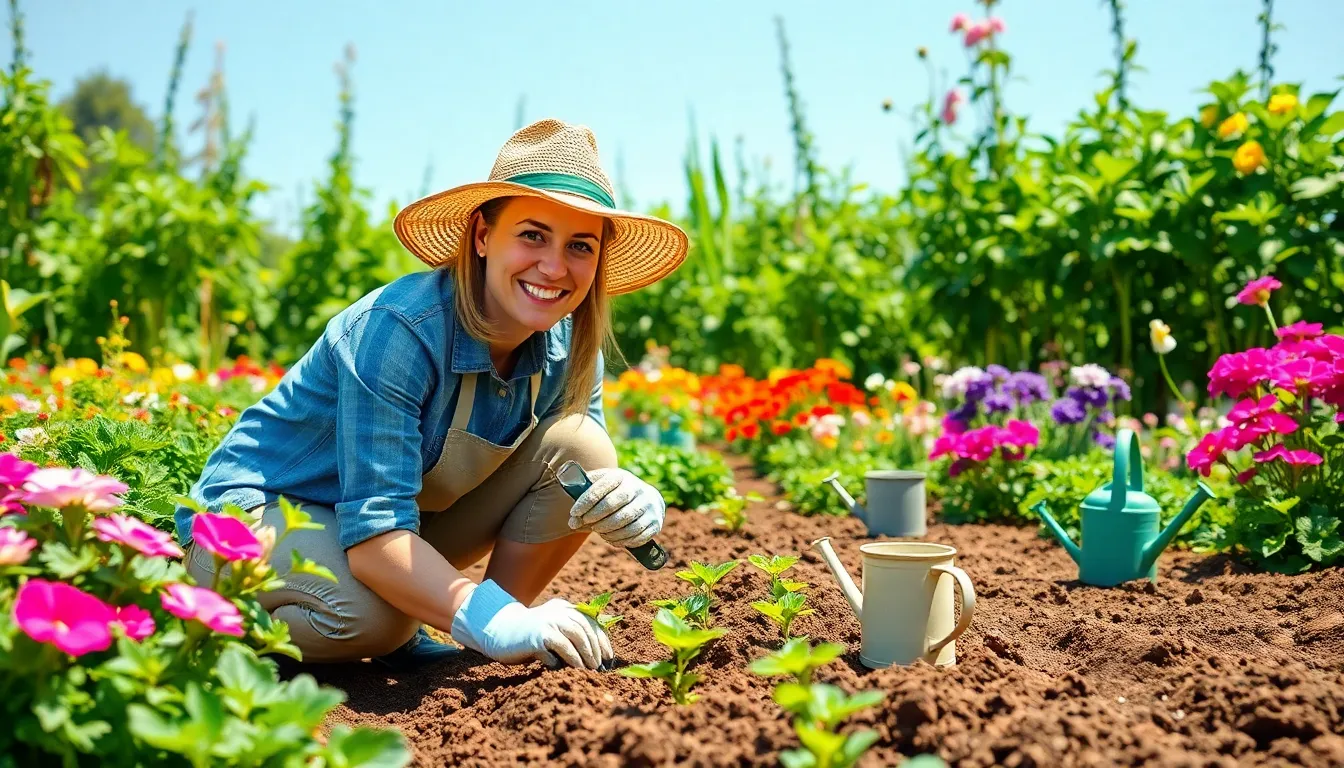

Gardening might seem like a daunting task reserved for those with green thumbs and a secret stash of magic seeds. But fear not! With a little guidance and a pinch of humor, anyone can cultivate their own patch of paradise. Whether it’s a windowsill herb garden or a backyard vegetable wonderland, the joy of growing your own plants is just a few simple tips away.
Beginner Gardening Tips
Gardening serves as an accessible and rewarding hobby for newcomers. It offers both practical knowledge and enjoyment through nurturing plants in various environments.
Importance of Gardening
Gardening fosters a connection with nature. Engaging in this activity supports environmental sustainability by encouraging biodiversity. It enhances mental well-being through stress relief and increased mindfulness. Physical health benefits arise from the exercise involved in maintaining a garden. Additionally, gardening cultivates creativity as individuals design their own spaces. Each plant nurtured contributes to a personal sense of accomplishment.
Benefits for Beginners
Beginners experience numerous advantages from starting a garden. Learning about plant care builds valuable skills and knowledge. Growing food promotes healthier eating habits by providing fresh produce. Cost savings become apparent when homegrown vegetables reduce grocery bills. Social interactions often develop through community gardening initiatives. Beginners also enjoy selecting plants based on personal preferences, allowing for self-expression in their gardening endeavors. Each of these aspects highlights why gardening should appeal to newcomers.
Essential Tools for Beginner Gardeners
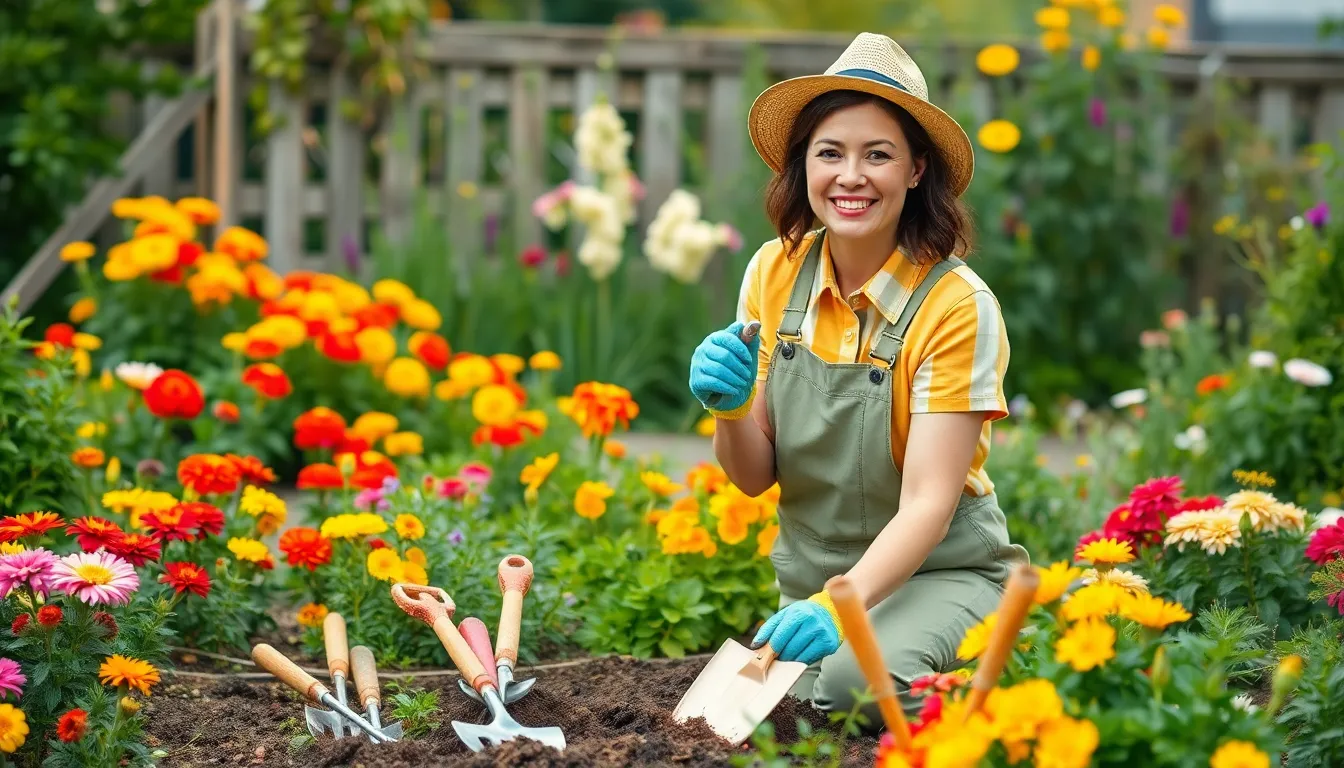
Having the right tools makes gardening easier and more enjoyable. Essential tools can enhance the gardening experience and ensure success.
Basic Tools Every Gardener Needs
- Hand Trowel: This versatile tool assists in digging, planting, and transferring soil.
- Pruning Shears: Pruning shears help in trimming plants and encouraging healthy growth.
- Watering Can: A watering can provides controlled watering for plants, ensuring they receive adequate moisture.
- Garden Hoe: This tool facilitates soil breaking and weed removal.
- Gloves: Protecting hands from thorns and dirt is important, making gloves essential.
- Rake: A rake prepares the soil and clears debris effectively.
- Spade: A spade assists in digging larger holes and moving soil.
Optional Tools to Consider
- Garden Fork: A garden fork handles aerating soil and breaking up compacted dirt.
- Kneeler Pad: A kneeler pad increases comfort while working at ground level.
- Seedling Tray: This tray promotes germination and healthy seedling growth.
- Compost Bin: A compost bin aids in recycling kitchen scraps into nutrient-rich compost.
- Hose with Nozzle: A hose enhances water delivery efficiency, especially over larger areas.
- Wheelbarrow: A wheelbarrow simplifies the transport of soil, plants, and tools throughout the garden.
- Soil Tester: A soil tester assesses pH and nutrient levels to optimize plant growth.
Choosing the Right Plants
Selecting the right plants for a garden significantly impacts its success and enjoyment. Understanding the characteristics of various plants helps beginners make informed decisions.
Native Plants vs. Non-Native Plants
Native plants thrive in their local environment and require less maintenance. They adapt well to local soil types, weather conditions, and pests. Non-native plants sometimes need extra care, including specific soil amendments or watering schedules. However, they may offer unique colors and shapes that appeal to many gardeners. Choosing native over non-native plants supports local wildlife and promotes biodiversity. This choice benefits the ecosystem and enhances garden resilience.
Seasonal Planting Considerations
Seasonal planting plays a crucial role in gardening success. Spring is often the best time to plant annuals and most vegetables, as temperatures warm up. Summer offers a good opportunity for planting heat-loving varieties. With fall approaching, many gardeners can start sowing seeds for cool-season crops like spinach and kale. Winter gardening, though challenging, allows for particular hardy plants like garlic to be planted. Understanding local climate conditions helps ensure optimal planting times for each species. Making seasonal choices maximizes gardening potential and yields rewarding harvests.
Soil Preparation and Maintenance
Soil preparation is crucial for a thriving garden. Properly maintaining soil ensures plants have the nutrients and structure they need to grow.
Testing Soil Quality
Testing soil quality helps determine its composition and pH level. Gardeners can use a home soil testing kit or send samples to a local cooperative extension service. This process identifies deficiencies in nutrients such as nitrogen, phosphorus, and potassium. Understanding the soil’s texture—whether sandy, clay, or loamy—also plays a role in drainage and aeration. Maintaining an optimal pH, typically between 6.0 and 7.5 for most plants, supports healthy growth. Conducting soil tests every few years ensures any changes in quality are addressed promptly.
Nutrient Enrichment Techniques
Nutrient enrichment techniques enhance soil fertility. Compost application is a popular method, providing essential nutrients while improving soil structure. Adding organic matter, such as leaf mold or well-rotted manure, also boosts nutrient levels and encourages beneficial microorganisms. Mulching with organic materials can conserve soil moisture and suppress weeds. Incorporating cover crops, like clover or rye, during the offseason improves soil health as they fix nitrogen and prevent erosion. Regularly rotating crops prevents nutrient depletion and maintains soil vitality. By using these techniques, gardeners foster a vibrant growing environment for their plants.
Watering and Sunlight Requirements
Effective watering and adequate sunlight are crucial for plant health. Understanding these factors ensures a thriving garden.
Proper Watering Techniques
Watering consistently helps maintain soil moisture while avoiding oversaturation. Beginners often find a schedule beneficial; watering in the early morning or late afternoon minimizes evaporation. Aim for about one inch of water per week, including rainfall. Use a moisture meter or stick a finger into the soil to check moisture levels. For container plants, ensure proper drainage to prevent root rot. Techniques like drip irrigation or soaker hoses deliver water directly to roots, promoting efficiency. Adjusting watering frequency based on the plant’s needs and local climate conditions also supports optimal growth.
Sunlight Needs for Different Plants
Different plants require varying levels of sunlight for growth. Full sun plants need at least six hours of direct sunlight daily; sunflowers and tomatoes are great examples. Partial shade plants thrive with four to six hours of sunlight; think about ferns and impatiens. Shade-loving plants, like hostas, flourish with less than four hours of sunlight. Placing plants in suitable locations increases their health and yield. Noticing how sunlight moves throughout the day can help in determining the best spots in the garden. Understanding these light requirements allows for successful plant arrangement in any garden setup.
Pest Control and Disease Management
Managing pests and diseases effectively is essential for a thriving garden. Keeping plants healthy starts with an understanding of common threats.
Common Pests and How to Handle Them
Aphids often gather on tender new growth, sucking sap and weakening the plant. Introducing ladybugs serves as a natural solution for aphid control. Snails and slugs can create havoc, particularly in moist conditions. Setting out traps or using diatomaceous earth can deter these pests effectively. Spider mites thrive in dry environments, resulting in webbing on leaves. Increasing humidity and regularly spraying plants with water can help manage their population. Whiteflies often hide on the undersides of leaves. Utilizing sticky traps can capture them, reducing their numbers.
Preventative Measures for Healthy Plants
Selecting disease-resistant plant varieties acts as a proactive approach against many issues. Proper spacing between plants promotes air circulation, reducing humidity levels that foster disease. Regularly inspecting plants for signs of pests or disease helps catch problems early. Using mulch reduces weed growth and maintains soil moisture. Crop rotation practices can prevent the build-up of soil-borne diseases. Clean garden tools consistently to avoid transferring pathogens. Watering morning ensures that plants dry before evening, minimizing disease risks. Keeping fallen leaves cleared from the garden bed also discourages pest habitat establishment.
Conclusion
Gardening opens up a world of possibilities for anyone willing to dig in and learn. By starting small and gradually expanding their knowledge and skills, beginners can cultivate not just plants but also a deeper appreciation for nature.
Every garden tells a story and reflects personal choices. With the right tools and techniques at their disposal, novice gardeners can overcome challenges and enjoy the rewards of their hard work.
As they nurture their plants, they’ll also be nurturing their well-being. Embracing gardening is more than just a hobby; it’s a journey toward sustainability and self-expression. So grab those gloves and get started—there’s no better time than now to grow.