
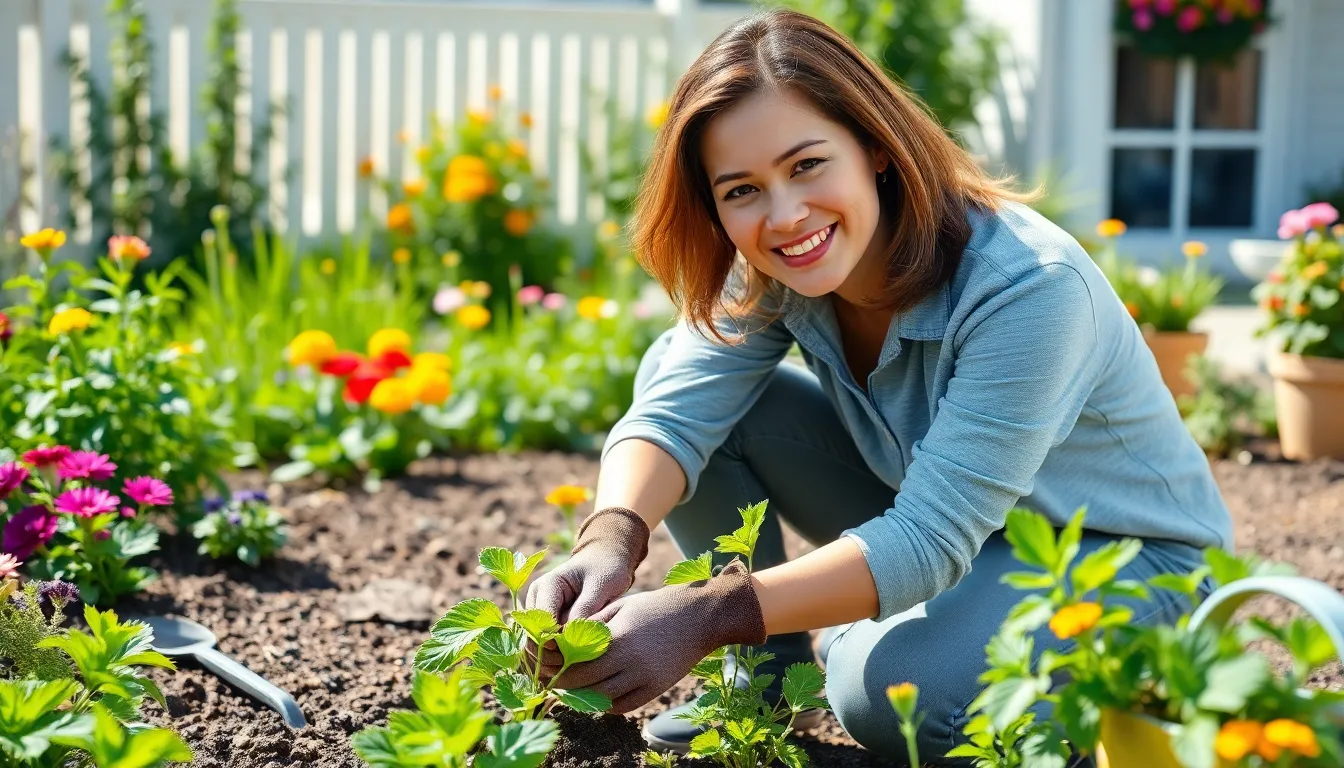

Imagine stepping into your backyard and being greeted by a lush paradise of vibrant flowers and fresh vegetables. Sounds dreamy, right? Gardening at home isn’t just a hobby; it’s a ticket to a greener lifestyle and a way to impress your neighbors with your green thumb. But before you start digging up your lawn like a determined gopher, let’s explore some essential tips that’ll help you cultivate a flourishing garden without turning it into a jungle.
Tips for Gardening at Home
Select a suitable location for garden beds, as sunlight exposure plays a crucial role in plant health. Choose an area that receives at least six hours of sunlight daily, enhancing growth and vibrant blooms.
Prepare the soil adequately to ensure a healthy foundation for plants. Test soil pH levels and amend it with organic matter, such as compost, to improve fertility and structure.
Research suitable plants based on climate zones and local conditions. Opt for native species that thrive in the environment, requiring less water and maintenance.
Water appropriately to prevent over-saturation or drought stress. Establish a consistent watering routine, aiming for deep watering sessions that encourage strong root development.
Implement a weed management strategy to protect plants from competition. Regularly check the garden for unwanted growth and apply mulch to suppress new weeds.
Prune and deadhead regularly to promote healthy growth and extend blooming periods. Remove dead or wilted flowers to encourage new blooms, while pruning plants helps maintain their shape and health.
Perform pest management using organic methods. Introduce beneficial insects, such as ladybugs, or utilize neem oil sprays to reduce pest populations without harmful chemicals.
Feed plants with fertilizers based on their specific nutrient needs. Apply balanced fertilizers during the growing season to support overall plant health and strengthen resistance to diseases.
Document gardening activities and changes throughout the growing season. This practice provides valuable insights for adjustments and improvements in the future.
Choosing the Right Location
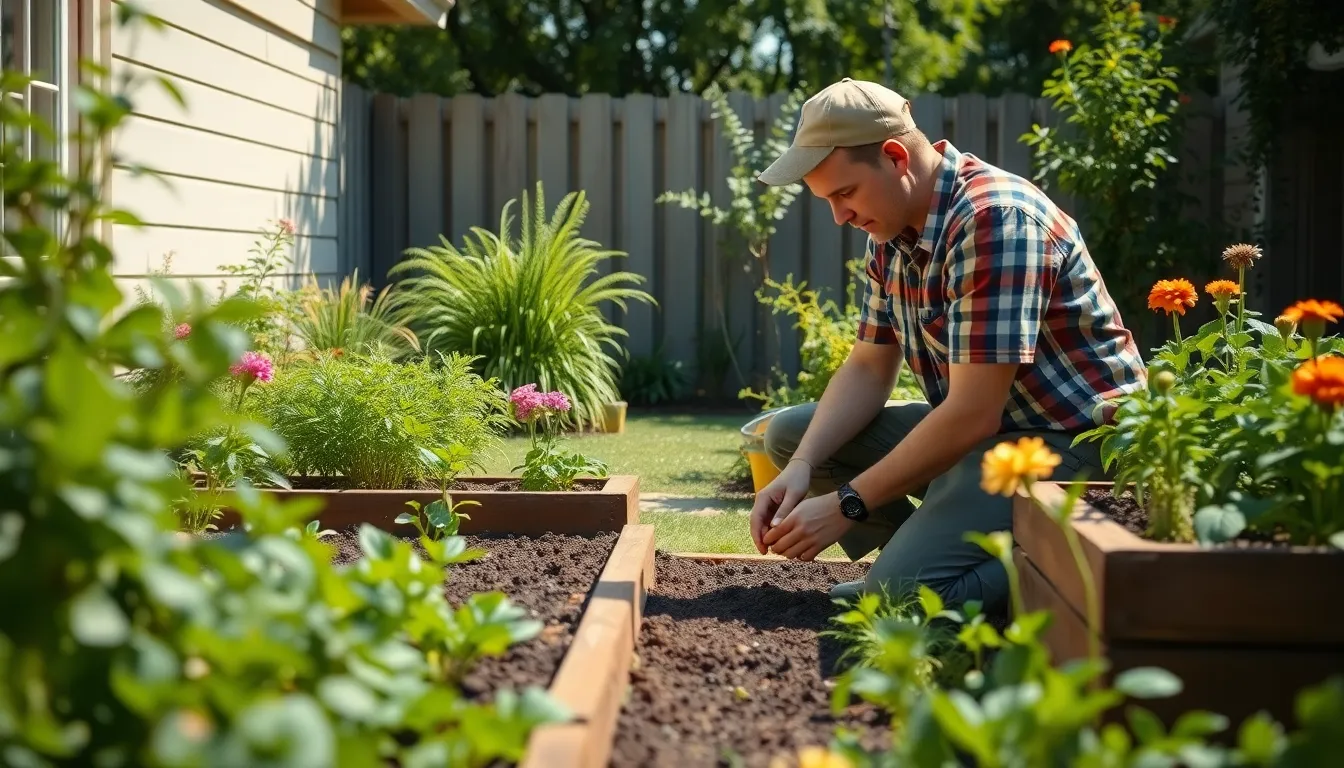
Selecting the right location for a home garden ensures optimal growth and health of plants. Factors like sunlight and drainage significantly influence this decision.
Sunlight Requirements
Different plants have varying sunlight needs. Some species thrive in full sun, requiring at least six hours of direct sunlight daily. Others prefer partial shade, making it critical to evaluate how sunlight moves across the selected area throughout the day. Observing sunlight patterns before planting helps in identifying the best spots. Gardeners should also consider seasonal changes, as light availability shifts from summer to winter. Checking for nearby trees or structures that cast shadows during peak hours can prevent potential growth issues.
Drainage Considerations
Good drainage is essential for healthy plant roots. Areas with poor drainage can lead to root rot and other diseases. Thus, elevated beds or sloped areas may be more suitable for ensuring excess water flows away from plant roots. Checking soil texture helps evaluate drainage; sandy soils drain quickly, while clay soils retain moisture. It’s also beneficial to perform a drainage test by digging a hole and filling it with water, observing how quickly it leaves. Adjusting location based on these observations fosters a thriving garden environment.
Selecting Plants Suitable for Home Gardens
Selecting the right plants for a home garden directly impacts success and enjoyment. Factors such as climate, soil type, and garden aesthetics play crucial roles in this process.
Annuals vs. Perennials
Annual plants complete their life cycle within one growing season. These plants, like marigolds and zinnias, provide vibrant color and can be replanted each year for variety. In contrast, perennials return year after year, creating lasting beauty. Examples include lavender and peonies, which offer consistency and require less frequent replanting. Some gardeners prefer a mix of both to achieve dynamic gardens with seasonal interest.
Native Plants Advantages
Native plants thrive in local conditions, making them easier to maintain. These species adapt well to the local climate and soil type, reducing the need for excessive watering and fertilizers. Selecting natives supports local wildlife, providing habitats and food for birds and pollinators. Additionally, native plants often resist pests and diseases, resulting in healthier gardens. Examples include echinacea and black-eyed Susans, which showcase beauty while enhancing biodiversity.
Preparing Your Garden Soil
Proper soil preparation lays the foundation for a flourishing garden. Using the right techniques ensures plants receive the nutrients and support they require.
Soil Testing Methods
Conducting soil tests reveals essential nutrient levels and pH balance. Assess options like home testing kits or sending samples to local agricultural extensions. Home kits provide immediate results, typically indicating nitrogen, phosphorus, and potassium levels. Sending samples for professional analysis offers detailed insights, including micronutrient availability. A test result helps determine specific amendments needed for optimal growth.
Organic Amendments
Incorporating organic amendments enhances soil health. Mulch enriches the soil as it decomposes, improving moisture retention and supporting microorganisms. Compost serves as another valuable addition, providing essential nutrients to plants while improving soil structure. Manure, when well aged, adds nutrients and boosts organic matter content. Additionally, using bone meal or blood meal supplies slow-release nutrients, promoting robust plant growth. Enriching soil with organic materials creates a thriving environment that supports diverse plant life.
Effective Watering Techniques
Watering techniques significantly impact garden health. Proper watering promotes strong root systems and enhances plant growth.
Watering Schedules
Establishing a watering schedule ensures consistent moisture for plants. Watering early in the morning reduces evaporation losses. Timing adjustments might occur based on weather conditions and plant needs. Using soil moisture sensors can provide accurate readings. For instance, established plants typically require watering once a week, depending on conditions. Newly planted species benefit from more frequent watering until their roots establish. Monitoring rain forecasts helps prevent overwatering. Observing leaf droopiness can indicate when to water.
Irrigation Systems
Implementing efficient irrigation systems simplifies garden maintenance. Drip irrigation delivers water directly to plant roots, minimizing waste and promoting better moisture retention. Sprinkler systems cover larger areas but require careful scheduling to avoid rapid evaporation. Automated systems offer convenience by programming watering times and durations. Rain barrels collect and store rainwater, providing an eco-friendly option for irrigation. Regular maintenance of irrigation systems ensures optimal performance. Assessing water pressure prevents uneven watering and plant stress.
Pest and Disease Management
Pest and disease management is essential for maintaining a healthy home garden. Implementing effective strategies helps minimize the threat these issues pose to plants.
Natural Pest Control Methods
Using natural pest control methods ensures a healthier garden environment. Beneficial insects, such as ladybugs and lacewings, can be encouraged to reduce pest populations. Introducing these natural predators allows for a balanced ecosystem. Neem oil proves effective against various pests when applied as a spray. Additionally, barriers like row covers can protect plants from harmful insects. Companion planting also works to deter pests while promoting plant diversity. Garlic and marigold, for instance, act as natural repellents, enhancing pest control efforts. Regular inspections help catch infestations early, making it easier to implement natural remedies.
Recognizing Plant Diseases
Recognizing plant diseases promptly supports better management and minimizes damage. Common signs of disease include discolored leaves, wilting stems, and unusual spots. Fungal infections often manifest as powdery mildew or rust. Bacterial diseases might lead to soft rot, often causing a foul odor. Examining plants regularly allows for identification of these symptoms. Healthy practices, such as crop rotation and proper spacing, can reduce disease spread. Maintaining adequate moisture levels while avoiding waterlogging is crucial for prevention. Understanding specific plant vulnerabilities aids in prioritizing care and treatment.
Conclusion
Gardening at home offers a fulfilling way to connect with nature and enhance one’s living space. By following the essential tips outlined in this article, anyone can cultivate a thriving garden that reflects their personal style and supports local ecosystems.
Choosing the right plants and preparing the soil are foundational steps that set the stage for success. Implementing effective watering and pest management strategies ensures plants remain healthy and vibrant.
With patience and dedication, home gardeners can enjoy the fruits of their labor while creating a beautiful environment. Embracing the journey of gardening not only yields fresh produce and stunning blooms but also fosters a sense of accomplishment and joy.